

Why Engineers Specify Palladium Plating on Stamped Parts and Contacts Quick Answer TL;DR Engineers specify palladium plating on stamped parts and contacts because it offers strong corrosion resistance at a lower cost than gold, either as a standalone finish or as an underlayer beneath a thin gold or silver top coat. Palladium-nickel alloy plating adds […]

How Spot Plating Cuts Gold Costs Without Sacrificing Contact Performance Quick Answer TL;DR Spot plating applies gold or another precious metal finish only to the exact contact point on a part rather than across the entire surface, cutting material cost without reducing performance where it matters. Because the mating or bonding surface still receives the […]

What Metal Plating Services Do for High-Volume Electronic Components Quick Answer TL;DR Metal plating services for high-volume electronic components cover finish selection, process engineering, and quality verification at a scale that batch plating cannot match. A good metal plating services partner combines reel-to-reel electroplating with tight process control, selective finish placement, and documented quality checks […]

Why Tin Plating Is the Go-To Finish for Solderable Components Quick Answer TL;DR Tin plating is the standard finish for solderable components because tin wets reliably with common solder alloys and costs far less than gold or silver, which makes it practical for high-volume production. Matte tin has a more stable grain structure and lower […]

Matte vs. Semi-Bright Silver Plating: What Manufacturers Need to Know Quick Answer TL;DR Silver plating is chosen for conductivity, since silver has the highest electrical conductivity of any metal and carries current with less resistance and heat buildup than other finishes. Matte silver has a duller, slightly porous surface that suits wire bonding and resistance […]

Why Gold Plating Remains the Standard for High-Reliability Connectors Quick Answer TL;DR Gold plating remains the standard finish for high-reliability connectors because it resists corrosion and oxidation, does not form an insulating oxide layer, and holds stable contact resistance through years of service. It is deposited over a nickel or palladium underlayer that acts as […]
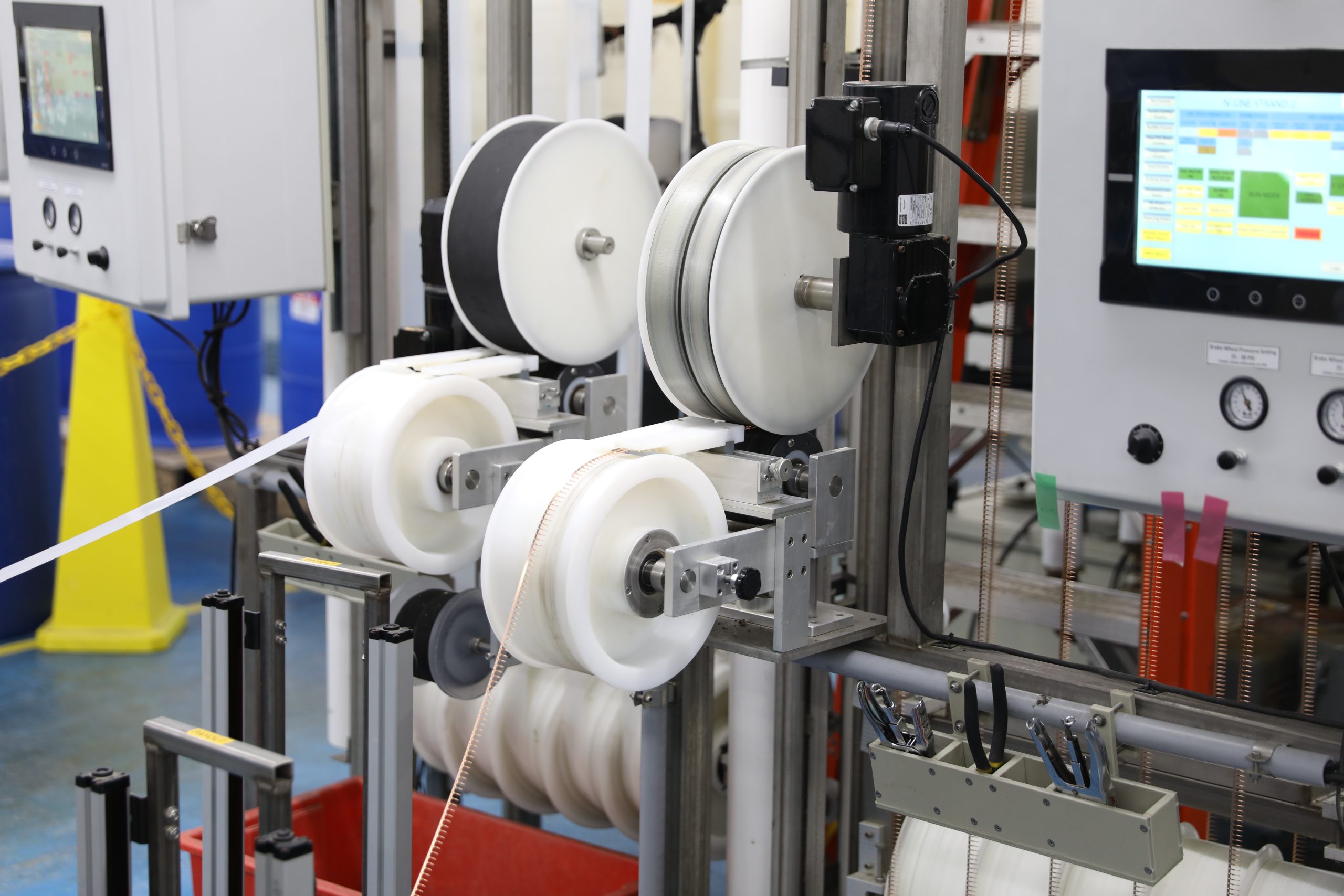
Copper Plating Services: Conductivity, Underlayer Performance, and Common Applications Quick Answer TL;DR Copper plating services usually provide the hidden layer beneath nickel, tin, gold, or silver. Copper conducts electricity and heat nearly as well as silver, levels rough substrates, improves adhesion, stays ductile through forming, and builds thickness far more cheaply than precious metals. It […]

Palladium Plating: Where It Outperforms Gold and How to Spec It Correctly Quick Answer TL;DR Palladium plating often outperforms gold on connector contacts because palladium and palladium-nickel deposits typically test two to three times harder than cobalt-hardened gold. Palladium-nickel 80/20 is usually the practical alloy, with lower stress and less hydrogen uptake than pure palladium. […]

Precision Metal Finishing: A Buyer’s Guide to Specs, Standards, and Supplier Vetting Quick Answer TL;DR A complete precision metal finishing callout names the base alloy, temper, and incoming thickness, then defines each layer of the deposit stack with its own thickness range and plated location. It should also state performance requirements for adhesion, porosity, solderability, […]

Spot Plating: How Localized Deposits Cut Precious Metal Cost Without Losing Performance Quick Answer TL;DR Spot plating places a gold, palladium, or silver deposit only on the functional contact area of a part instead of covering the whole surface. Because deposited mass scales with plated area times thickness, reducing area while holding specified thickness cuts […]